
Food And Beverage Industry Classification Examples
Comprehensive overview of food and beverage industry classifications, including restaurant types, food service segments, and industry regulatory frameworks.
Chef Marcus Thompson
Author
The food and beverage industry encompasses diverse business models and operational structures that require careful classification for regulatory compliance and business planning. Understanding industry classifications helps entrepreneurs, investors, and policymakers navigate complex regulatory requirements while positioning businesses within competitive markets. This comprehensive examination explores industry classification systems, specific segment examples, and operational considerations within each classification.
Primary Industry Classification Systems
Food and beverage industry classification occurs through multiple overlapping systems reflecting different institutional perspectives. The North American Industry Classification System (NAICS) provides standardized classification codes used by government agencies and statistical purposes. NAICS classifies food and beverage establishments by primary products, operational methods, and service formats. These classifications facilitate consistent data collection and economic analysis.
The Standard Industrial Classification (SIC) system predates NAICS, though many industries continue using SIC codes alongside newer systems. Food service and food production remain central within SIC, with distinct codes for restaurants, food manufacturing, and food wholesaling. Both systems recognize interconnected relationships between food production, processing, distribution, and retail.
State and local health departments employ functional classifications based on operational risk and regulatory oversight requirements. These systems categorize businesses based on the specific food handling activities they perform. A restaurant might be classified as a Limited Service Food Establishment or Full Service Food Establishment depending on operational characteristics. These functional classifications drive specific health and safety requirements applicable to each category.
Food Production and Manufacturing
Food manufacturing encompasses processes transforming raw agricultural products into packaged foods ready for distribution. This category includes large-scale industrial operations processing millions of units daily alongside smaller artisan producers creating specialty products. Manufacturing classifications reflect scale, product types, and regulatory complexity.
Large-scale commercial manufacturers operate centralized facilities with substantial capital investment, automated processing, and distribution networks reaching national or international markets. These operations must comply with FDA regulations, food safety modernization act (FSMA) requirements, and specific regulations governing their product categories. The complexity of large-scale operations requires dedicated quality assurance and regulatory compliance personnel.
Small-scale manufacturers often operate from licensed commercial kitchens or dedicated production facilities. These producers might manufacture baked goods, jams, sauces, or other value-added products from agricultural inputs. While operating at smaller scale, these businesses face identical regulatory compliance requirements as large manufacturers. Compliance costs represent proportionally higher burden for small manufacturers, influencing profitability and business viability.
Specialty food manufacturers focus on products reflecting specific dietary requirements, cultural traditions, or quality attributes. Organic food manufacturers comply with organic certification standards and specific production regulations. Ethnic food manufacturers might produce specialty cuisines serving immigrant communities or emerging market segments. Gluten-free manufacturers implement specific processing protocols preventing cross-contamination.
Food Distribution and Wholesale
Food wholesalers purchase products from manufacturers and agricultural producers, then distribute to retailers and food service operations. Wholesale operations manage complex logistics networks ensuring product availability throughout supply chains. Wholesale classifications include broadline distributors offering diverse product selection, specialty distributors focusing on particular product categories, and regional cooperatives serving member retailers.
Broadline food service distributors serve restaurants, hotels, institutional food services, and retail operations. These organizations maintain warehouses, refrigerated distribution centers, and extensive delivery networks. Their operations require sophisticated inventory management, transportation logistics, and customer service capabilities. Distribution classification depends on service types, customer focus, and product specialization.
Specialty distributors focus on particular product categories including organic foods, specialty meat products, international foods, or local products. These businesses differentiate through specialized knowledge, direct producer relationships, and curated product selection. Specialty distribution attracts customers willing to pay premiums for superior products or specific sourcing characteristics.
Retail Food Operations
Retail food establishments range from supermarkets to convenience stores to small specialty shops. Retail operations purchase products from wholesale sources for resale to consumers. Retail classification reflects store format, customer service model, product assortment breadth, and operational complexity.
Full-service supermarkets represent the dominant retail format in developed markets. These large-format stores offer extensive product selection including fresh produce, meat, dairy, prepared foods, and grocery items. Supermarkets employ complex logistics, inventory management, and labor systems managing operations across multiple departments. Full-service supermarkets generate primary revenue from volume sales with modest profit margins on individual items.
Limited-service retailers including convenience stores, grocery stores, and specialty shops operate smaller footprints with more focused product assortments. Convenience stores emphasize location accessibility and immediate availability despite higher per-unit pricing. Specialty retailers including butcher shops, bakeries, and produce markets focus on specific product categories where expertise and sourcing represent competitive advantages.
Food Service Establishments
Food service encompasses restaurants, catering operations, institutional food services, and temporary food facilities. Food service establishments prepare and serve food directly to consumers in various settings. Classification within food service reflects service format, operational complexity, and customer interaction models.
Full-service restaurants prepare foods to order and serve customers at tables with table service. These operations manage complex production processes coordinating multiple stations and timing. Full-service establishments typically feature extensive menus, wine service, and higher price points reflecting service-intensive operations. Labor represents substantial cost burden for full-service operations.
Limited-service restaurants prepare foods available for immediate service, with customers ordering at counters or drive-through windows. These operations streamline production through limited menus emphasizing rapid preparation. Quick-service restaurants represent this classification, managing high volume with efficient operations. Labor efficiency and capacity utilization drive profitability for limited-service formats.
Casual dining establishments occupy middle position between fine dining and quick-service formats. These restaurants typically offer moderate pricing, limited to moderate table service, and focused menus. Casual dining has experienced significant market share pressures from both upscale and quick-service competitors. Differentiation through food quality, service experience, or unique positioning determines success within this increasingly competitive segment.
Fine dining establishments emphasize culinary excellence, refined service, and upscale ambiance. These operations typically feature limited seating capacity, higher price points, and limited menu offerings highlighting chef expertise. Fine dining success depends on consistently excellent food quality, professional service execution, and distinctive concepts differentiation. These establishments typically operate on modest volume with high per-customer spending.
Catering and Event Food Services
Catering operations prepare and serve foods at customer locations for special events and functions. Catering businesses require flexible production capabilities, portable equipment, and service-oriented staff. This classification encompasses full-service catering operations managing all event components alongside specialized caterers focusing on food provision alone.
Institutional Food Services
Schools, hospitals, corporate cafeterias, military facilities, and correctional institutions employ food service operations serving primarily captive audiences. These operations prioritize nutrition, cost efficiency, and volume capacity. Institutional food service must balance nutritional requirements, budget constraints, and service satisfaction. Many institutional operations employ centralized production facilities distributing prepared foods to multiple service locations.
Regulatory Compliance Classifications
Health and safety regulations classify food establishments based on risk levels and specific activities performed. High-risk establishments handling raw meats, seafood, or dairy products face more stringent oversight than establishments handling shelf-stable products. Specific licenses and certifications requirements vary by establishment type and jurisdiction.
Conclusion
Understanding food and beverage industry classifications provides essential foundation for business planning, regulatory compliance, and market positioning. The diverse nature of food industry creates complexity reflecting varied business models and operational requirements. Successful participation in food and beverage industry requires understanding specific classification implications for individual business concepts.
More from Food
Continue exploring our curated collection of articles
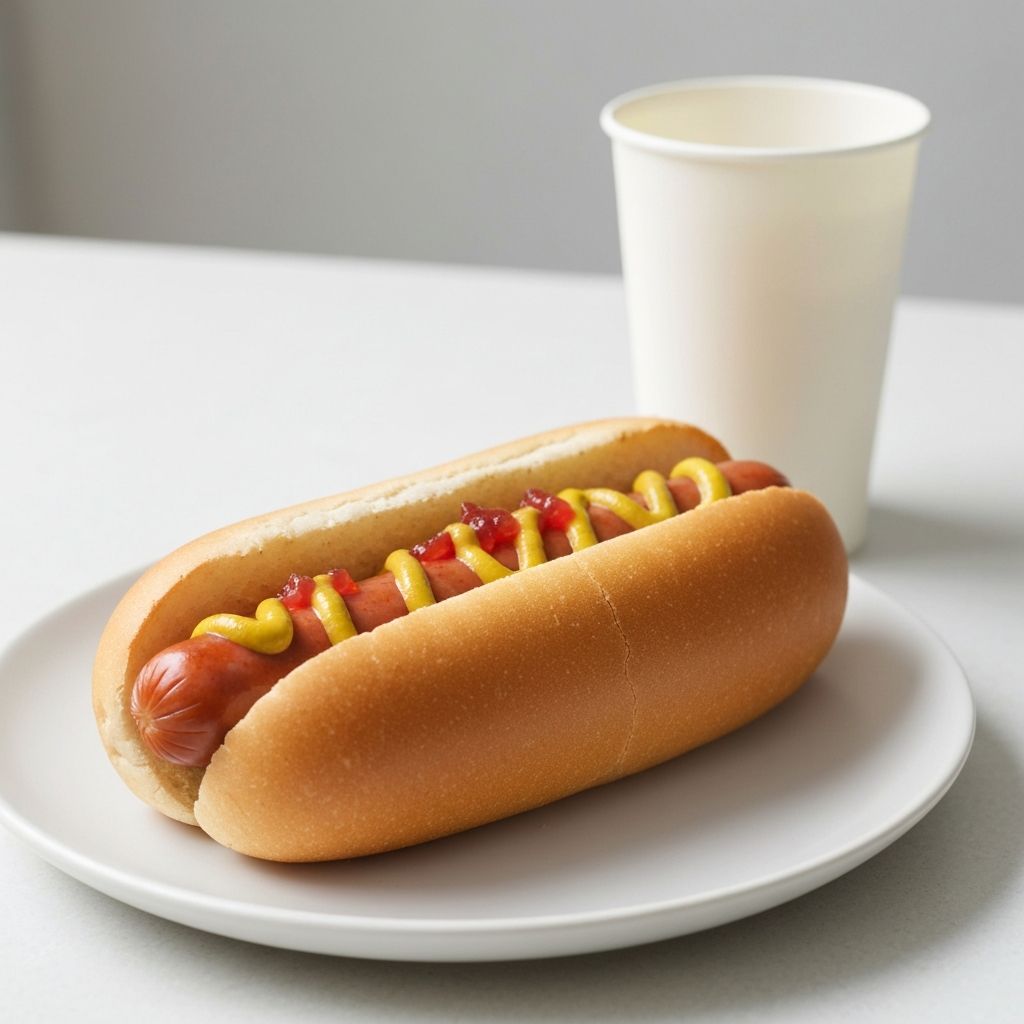
Hot Dog At Costco Calories: Complete Nutrition Breakdown
Discover the complete calorie breakdown of Costco's famous $1.50 hot dog combo, including nutritional facts, ingredients, and healthier meal tips.
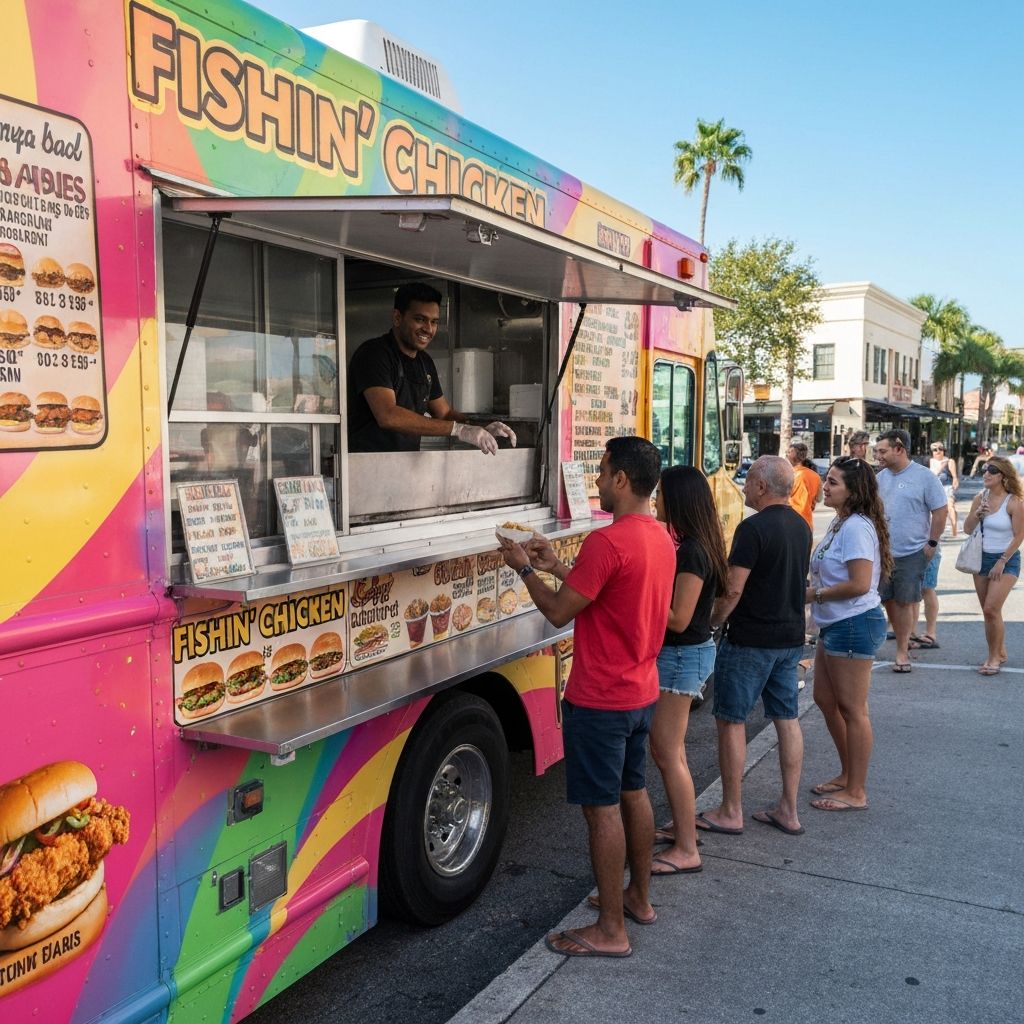
Dochos Concession And The Fishin Chicken Food Truck Tampa Fl
Explore the delicious offerings of Dochos Concession and The Fishin Chicken food truck in Tampa, Florida, featuring mouthwatering fried chicken, fresh seafood, and the vibrant food truck culture of the Tampa Bay area.
Food Company Downgrades Liquidity Crunch Distress Signals
Analysis of food industry financial challenges, liquidity crises, and distress signals affecting food companies. Understanding economic pressures on food businesses.