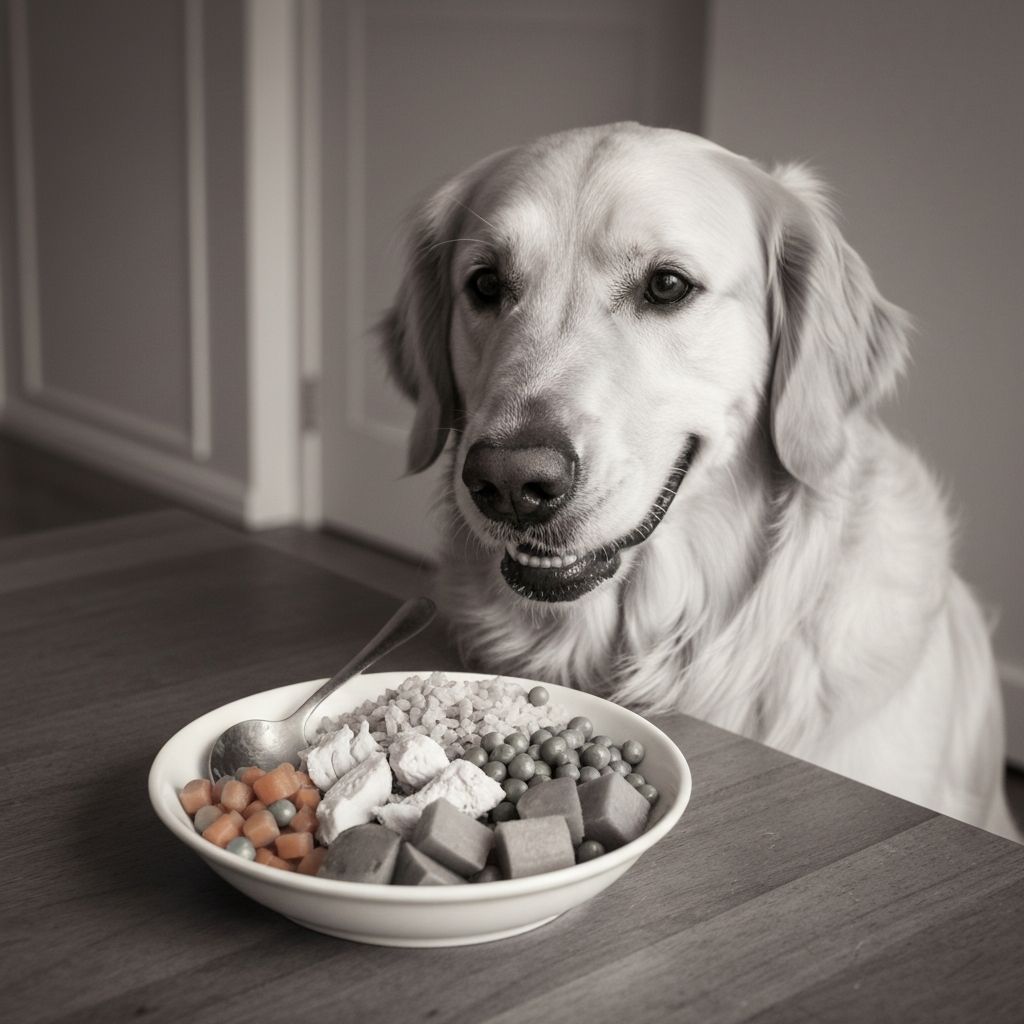
Vet Approved Homemade Dog Food Recipes for a Healthier, Happier Pup
Explore vet approved homemade dog food recipes packed with balanced nutrition, fresh ingredients, and easy preparation steps for a healthier, happier pup.
Dr. Liam Carter, DVM
Author
More dog owners than ever are turning to homemade meals for their pets, and for good reason. Cooking for your dog gives you complete control over ingredients, removes mystery fillers, and lets you tailor meals for allergies, weight management, or aging joints. However, homemade dog food only works when it's nutritionally balanced. This vet-approved guide walks you through safe, simple recipes and the principles behind them.
Why Choose Homemade Dog Food
Commercial dog foods vary widely in quality, and even premium brands sometimes use vague labels or low-grade by-products. Homemade meals let you use fresh proteins, whole grains, and real vegetables. They can be especially helpful for dogs with skin allergies, sensitive stomachs, or chronic conditions. Many owners also find that switching to home-cooked meals improves their dog's coat, energy, breath, and stool quality within weeks.
The Foundation of a Balanced Dog Meal
Every homemade meal should follow a basic ratio: roughly 50% lean protein, 25% complex carbohydrates, and 25% vegetables, with a small amount of healthy fat and a vet-recommended supplement. Dogs also need calcium, which can be added through ground eggshell or a multivitamin. Always consult your veterinarian before fully replacing commercial food, especially for puppies, pregnant dogs, or dogs with medical conditions.
Recipe 1: Chicken and Brown Rice Bowl
This is the most popular starter recipe because it's gentle, nutritious, and easy to make in bulk. Combine three cups of cooked, shredded boneless chicken breast with two cups of cooked brown rice, one cup of steamed carrots, and one cup of steamed peas. Stir in one tablespoon of olive oil and a teaspoon of ground eggshell or canine calcium supplement.
This recipe is especially helpful for dogs recovering from upset stomachs because it's bland yet protein-rich. Serve in portions appropriate for your dog's weight and store leftovers in airtight containers for up to four days in the refrigerator.
Recipe 2: Beef and Sweet Potato Stew
Lean ground beef pairs beautifully with sweet potato for an iron-rich meal. Brown one pound of lean ground beef and drain the fat. Add two cups of cubed, peeled sweet potato, one cup of chopped green beans, half a cup of chopped spinach, and three cups of low-sodium beef broth. Simmer until vegetables are tender, then mash slightly. Add a teaspoon of fish oil before serving for a glossy coat boost.
Recipe 3: Turkey and Quinoa Power Bowl
Quinoa is a complete plant protein and works well for active dogs. Brown one pound of ground turkey, then mix with one cup of cooked quinoa, one cup of cooked, mashed pumpkin, half a cup of finely chopped kale, and a tablespoon of olive oil. Pumpkin supports digestion, and kale adds antioxidants in moderation. This recipe is also excellent for dogs prone to weight gain because it's lower in calories than beef-based meals.
Recipe 4: Salmon and Rice for Skin and Coat
Dogs with itchy skin often improve dramatically with omega-3-rich meals. Bake one pound of skinless, deboned salmon and flake it carefully. Combine with two cups of cooked white rice, one cup of cooked, finely chopped broccoli, and half a cup of grated zucchini. Add a teaspoon of fish oil and a sprinkle of ground flaxseed. Always check carefully for bones, since even small bones can be hazardous.
Foods to Avoid in Homemade Recipes
Many human foods are toxic or harmful to dogs. Never include onions, garlic, chives, grapes, raisins, chocolate, macadamia nuts, xylitol, raw bread dough, or alcohol. Avoid heavily seasoned foods, fatty trimmings, and cooked bones, which can splinter dangerously. Limit dairy, since many dogs are lactose intolerant. Salt should be kept extremely low, and added sugar should be avoided altogether.
Portion Sizes and Feeding Frequency
Portion sizes depend on your dog's weight, age, and activity level. As a general guide, dogs need roughly 25 to 30 calories per pound of body weight per day, though active or working dogs need more. A 30-pound dog typically eats around 750 to 900 calories daily. Split meals into two servings, morning and evening, for better digestion. Monitor your dog's body condition and adjust portions if you notice weight gain or loss.
Supplements You May Need
Even excellent homemade meals can fall short on certain nutrients without supplementation. Calcium is essential, especially when not feeding bone. Fish oil supports joints, brain, and skin. A canine multivitamin covers gaps in trace minerals. For long-term homemade feeding, your veterinarian may recommend a balancing premix designed specifically for fresh-food diets.
Transitioning Your Dog Safely
Switch slowly to avoid stomach upset. Mix 25% homemade food with 75% old food for two days, then 50/50 for two days, then 75% homemade for two days, and finally 100% by the end of week one. Watch for changes in stool, energy, and appetite. If anything seems off, slow the transition and check with your vet.
Storage and Meal Prep Tips
Homemade dog food can be cooked in large batches and refrigerated for up to four days or frozen for up to three months. Use silicone molds or freezer-safe containers for individual portions. Thaw overnight in the refrigerator and warm gently before serving so meals don't shock your dog's stomach.
Final Thoughts
Homemade dog food can transform your pet's health when done thoughtfully and with veterinary guidance. By choosing whole, fresh ingredients, balancing protein, carbs, and vegetables, and avoiding harmful foods, you give your dog meals that nourish, heal, and delight. Many owners find that the time investment is well worth the wagging tails and gleaming coats that follow.
More from Food
Continue exploring our curated collection of articles
Food And Beverage Industry Classification Examples
Comprehensive overview of food and beverage industry classifications, including restaurant types, food service segments, and industry regulatory frameworks.
Hot Dog At Costco Calories: Complete Nutrition Breakdown
Discover the complete calorie breakdown of Costco's famous $1.50 hot dog combo, including nutritional facts, ingredients, and healthier meal tips.
Dochos Concession And The Fishin Chicken Food Truck Tampa Fl
Explore the delicious offerings of Dochos Concession and The Fishin Chicken food truck in Tampa, Florida, featuring mouthwatering fried chicken, fresh seafood, and the vibrant food truck culture of the Tampa Bay area.